Decoding License Conditions That Alter No-Deposit Offer Terms for Mobile Users in Sweden's Controlled Market
Mara Beck · Oct 2, 2026
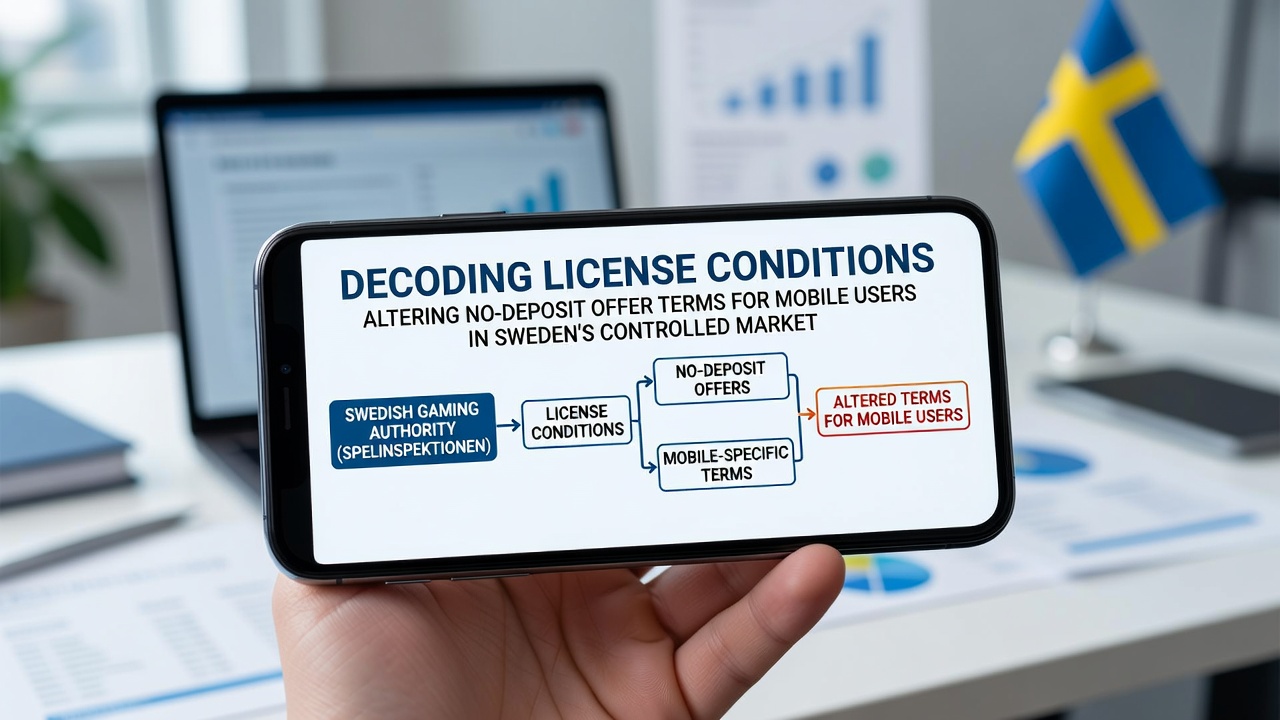
Decoding License Conditions That Alter No-Deposit Offer Terms for Mobile Users in Sweden's Controlled Market
Sweden maintains a tightly regulated gambling environment where the Spelinspektionen issues licenses that directly shape how operators structure no-deposit offers for mobile users, and these conditions often specify eligibility criteria, game restrictions, and payout caps that differ from desktop equivalents.
Operators must comply with detailed license provisions that limit promotional mechanics, including how free spins or bonus credits activate on smartphones and tablets, while data from regulatory filings show that mobile-specific clauses frequently require separate verification processes to prevent cross-device abuse.
Core License Provisions Governing No-Deposit Promotions
Each license granted under the Swedish system outlines explicit rules for no-deposit incentives, such as mandatory account registration via BankID before any mobile reward unlocks, and these stipulations ensure that terms remain consistent across operators yet vary in implementation based on the license category.
Studies conducted by Nordic research institutions indicate that license holders face caps on bonus values and wagering multipliers that apply uniformly, yet mobile users encounter additional layers like session timeouts and device fingerprinting requirements that desktop platforms bypass.
Mobile-Specific Adjustments in Regulated Offers
License conditions frequently mandate that mobile interfaces display terms in a standardized format, which includes clear disclosure of expiration dates and maximum win limits tied to no-deposit rewards, and operators who fail these transparency tests risk penalties during routine audits.
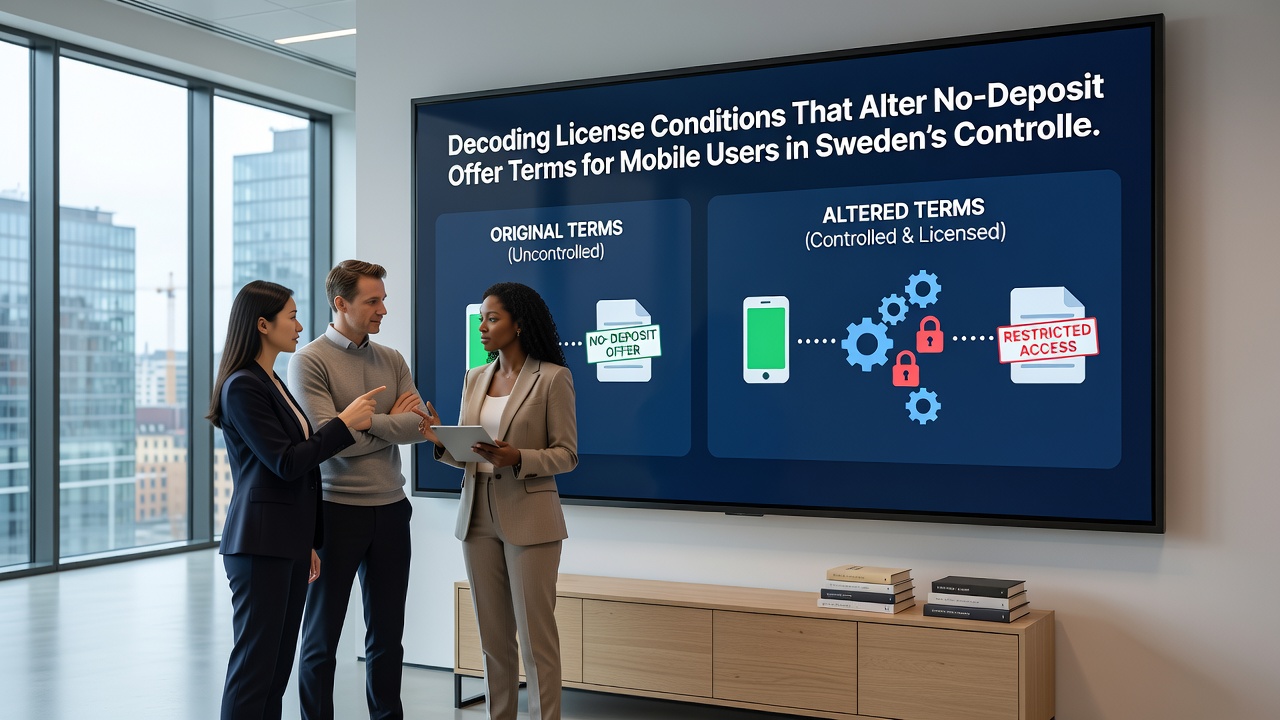
What's notable is how these provisions intersect with technical standards, because mobile apps must integrate real-time compliance checks that adjust offer availability based on user location and license status, whereas web-based access sometimes allows broader but still regulated participation.
Figures released by European gaming oversight bodies reveal that between 2024 and 2026, several operators revised their mobile no-deposit structures after license renewals introduced stricter rules on bonus stacking and withdrawal thresholds.
Impact of October 2026 Regulatory Updates
As October 2026 approaches, planned refinements to license conditions are set to emphasize enhanced mobile security protocols, including mandatory two-factor confirmation for reward claims, and these changes build on existing frameworks that already differentiate between domestic and international license holders operating within Sweden.
Researchers at academic centers across the EU have tracked how such adjustments influence player behavior, wth reports noting that mobile users often encounter tighter playthrough timelines compared to earlier license periods, because conditions now tie reward validity to continuous app engagement metrics.
Comparative Analysis Across License Types
Commercial licenses versus state-operated ones impose distinct constraints on no-deposit terms, with the former typically requiring higher minimum deposit thresholds post-bonus to unlock full features, while data compiled by industry associations demonstrate that mobile platforms under commercial licenses show greater variability in game contribution percentages.
Observers note that these differences stem from the core licensing objectives that prioritize consumer protection and market fairness, leading operators to calibrate mobile offers accordingly without deviating from overarching regulatory mandates.
Conclusion
License conditions continue to evolve as the primary mechanism for standardizing no-deposit offer terms in Sweden's mobile gambling sector, and ongoing compliance efforts ensure that operators adapt their systems to meet both current and forthcoming requirements through structured regulatory oversight.