How Mobile Device Preferences Reshape Eligibility Rules for Layered Casino Incentives Under Sweden's Licensing Rules
Clara Hughes · Oct 30, 2026
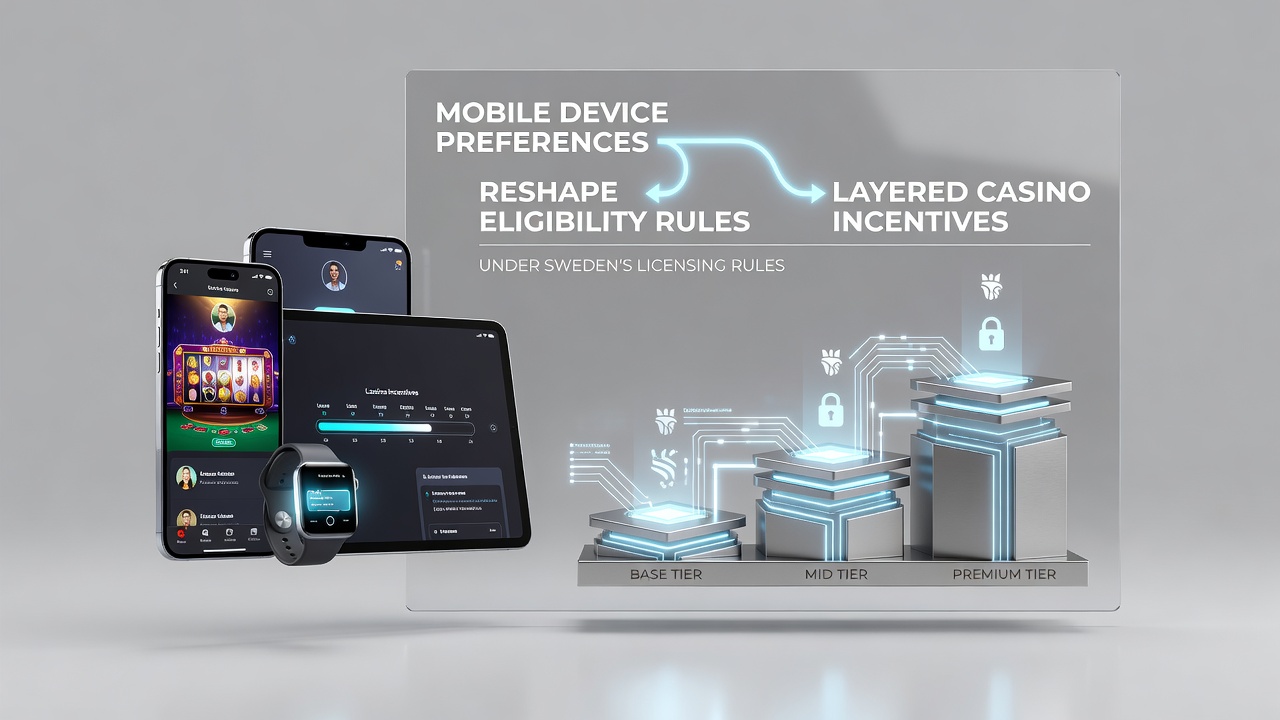
How Mobile Device Preferences Reshape Eligibility Rules for Layered Casino Incentives Under Sweden's Licensing Rules
Sweden's licensed gambling operators track mobile device preferences through application programming interfaces that log operating systems, screen resolutions, and connection types, and these records directly feed into compliance systems that determine access to multi-tier incentive structures. Data from Spelinspektionen shows that iOS devices accounted for 47 percent of active sessions in regulated markets during the first half of 2025, while Android platforms held the remaining share with notable variation across specific manufacturers. Operators adjust eligibility parameters for deposit-match layers and free-spin sequences based on these device categories because licensing conditions require uniform application of wagering calculations regardless of access method.
Device Detection Mechanisms and Regulatory Compliance
Swedish licensing conditions mandate that operators maintain transparent records of how platform-specific features influence bonus activation sequences, and device fingerprinting tools allow real-time categorization of user sessions into eligibility tiers. When a player initiates play from a tablet running an older operating system version, for example, the system may restrict access to the second or third layer of a progressive incentive because those layers carry higher playthrough multipliers that must align with responsible gambling thresholds. Research from the European Gaming and Betting Association indicates that 62 percent of operators in Nordic jurisdictions now integrate device metadata into their automated compliance dashboards, and this integration helps verify that incentive offers remain consistent across mobile environments.
October 2026 brings scheduled updates to Spelinspektionen's technical standards that will require enhanced logging of mobile session durations and device-specific latency metrics, and these changes will further tie eligibility calculations to hardware capabilities. Operators must demonstrate that layered incentives do not inadvertently favor one device category over another, which means they recalibrate free-spin allocations and cashback percentages when analytics reveal disproportionate usage patterns on high-resolution screens versus entry-level handsets.
Impact of Operating System Preferences on Incentive Layers
Android users on devices with custom ROM installations encounter different verification pathways compared with stock iOS sessions, and licensing rules require operators to document these differences so that bonus eligibility remains fair. Studies conducted by the University of Melbourne's gambling research unit found that session completion rates on modified Android systems averaged 18 percent lower than on unmodified platforms, prompting operators to adjust the timing of second-tier incentive releases accordingly. Those adjustments preserve compliance while accounting for technical variances that affect how quickly players meet playthrough targets.
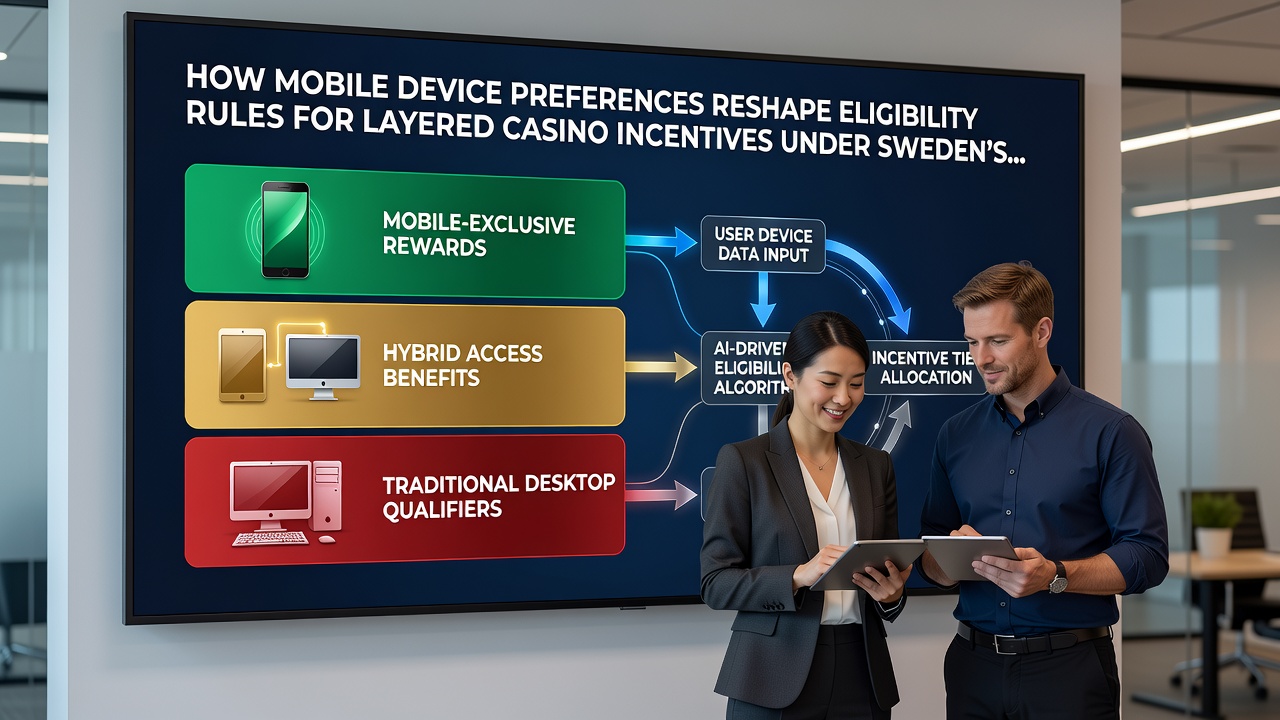
Layered incentives often include an initial deposit match followed by a free-spin package and a subsequent loyalty credit, yet device preference data influences the order and value of each component. Operators report that iPad sessions frequently bypass the initial match layer because tablet users show higher average deposit amounts, and this pattern allows redistribution of incentive value toward later tiers without violating licensing caps on total bonus exposure. The process relies on aggregated anonymized data rather than individual profiling, ensuring that regulatory audits focus on statistical parity across device classes.
Verification Timelines and Mobile Access Patterns
Account verification processes tied to mobile sessions incorporate device-specific security checks, and these checks can extend or shorten the window during which layered incentives remain available. When a player switches between a smartphone and a laptop mid-session, the system logs the transition and recalculates remaining eligibility windows to maintain consistency with Spelinspektionen's requirement for continuous compliance monitoring. Figures released by the Canadian Centre for Gaming Research reveal similar patterns in other regulated markets where device transitions trigger automatic reviews of bonus status, and Swedish operators apply comparable logic to avoid cross-device discrepancies.
Observers note that preference for 5G-enabled devices correlates with faster completion of early incentive layers because lower latency supports quicker game loading and higher spin volumes within set timeframes. This correlation leads operators to publish device-agnostic playthrough calculators that normalize expected completion times across connection speeds, thereby preserving equal access to subsequent layers regardless of hardware.
Future Adjustments Under Evolving Standards
Regulatory updates scheduled for October 2026 will introduce mandatory reporting on how mobile device preferences affect the distribution of layered incentives across demographic segments, and operators are already preparing datasets that segment usage by age group and region within Sweden. These reports will feed into broader evaluations of whether current eligibility rules require refinement to address emerging hardware trends such as foldable screens or enhanced privacy features. Industry associations continue to share best-practice frameworks that help operators maintain compliance while adapting incentive structures to documented mobile behaviors.
Conclusion
Device preference data has become integral to the administration of layered casino incentives under Sweden's licensing framework, and operators use aggregated metrics to calibrate eligibility rules that satisfy both technical and regulatory demands. Continued monitoring through 2026 and beyond will determine whether additional adjustments become necessary as mobile technology evolves, ensuring that incentive access remains equitable across all approved platforms.