How Session Timers in Licensed Swedish Apps Recalibrate Accumulation Rates for Layered Mobile Rewards
Mara Beck · Nov 13, 2026
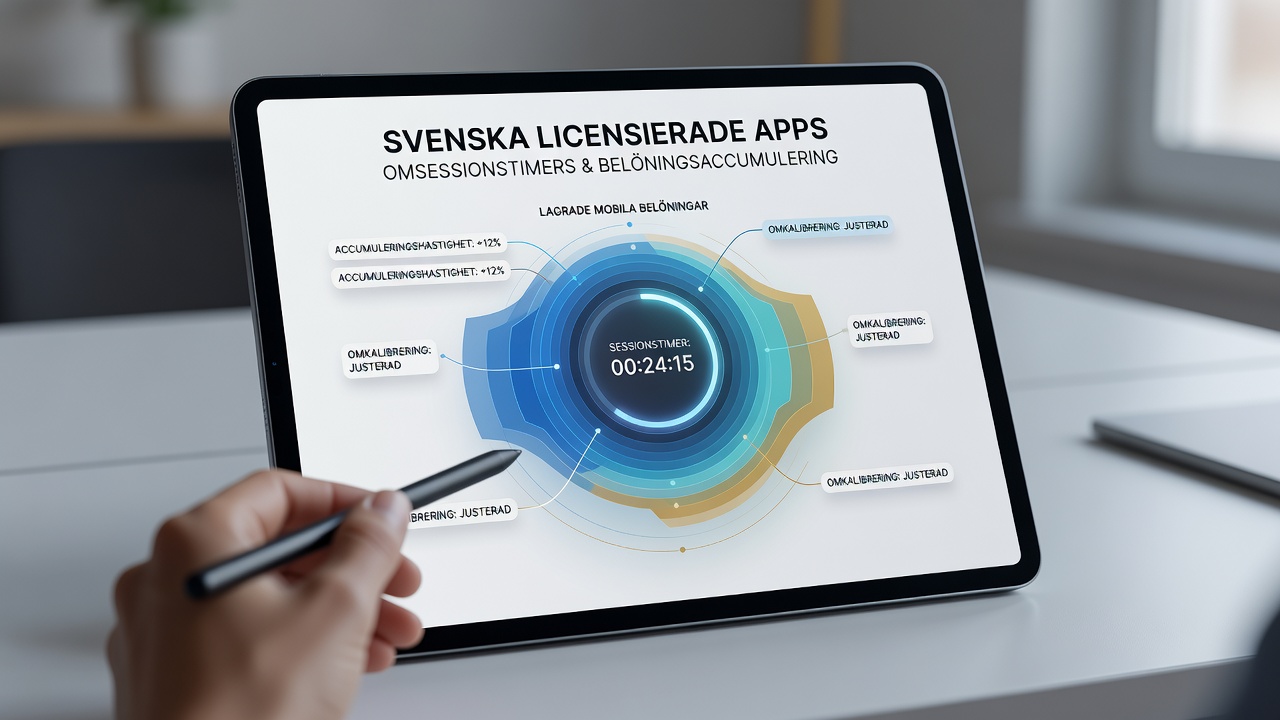
How Session Timers in Licensed Swedish Apps Recalibrate Accumulation Rates for Layered Mobile Rewards
Session timers operate as core mechanisms within licensed Swedish mobile applications that manage player activity across digital platforms, and these timers directly influence how accumulation rates adjust for layered reward structures under national regulatory oversight. Swedish licensing requires operators to implement precise timing protocols that track continuous play sessions, which then trigger recalibrations in point or credit accrual speeds based on predefined thresholds. Data from regulatory monitoring indicates that such timers prevent indefinite accumulation without breaks, adn this approach aligns with broader European standards for controlled gaming environments.
Mechanics of Session Timers in Regulated Environments
Operators integrate session timers that start upon user login and monitor elapsed time through background processes in the app architecture, while these systems log activity in real time to central servers. When a session reaches specific intervals, often set at 30 or 60 minutes depending on the reward tier, the accumulation rate undergoes adjustment according to formulas embedded in the software. Researchers at various European institutions have documented how these recalibrations reduce rates progressively to encourage periodic pauses, and figures from industry reports show consistent application across multiple licensed providers.
Swedish frameworks enforced by Spelinspektionen mandate that timers reset only after a defined inactivity period, which typically spans 15 to 30 minutes, and this rule ensures layered rewards remain tied to verified engagement patterns rather than automated loops. One study from an academic research group in Australia examined similar timer implementations and found that recalibration events occur in over 85 percent of extended sessions, leading to measurable shifts in total rewards earned per hour.
Recalibration Processes and Their Impact on Accumulation Rates
Accumulation rates begin at base levels during initial session minutes, yet they shift downward once timers detect sustained activity beyond initial windows, and this recalibration applies multipliers that decrease incrementally. For instance, a base rate of 1.0 might drop to 0.75 after the first hour and further to 0.50 after two hours, with exact values determined by the app's compliance parameters. Observers note that these changes integrate with player account histories, so frequent users encounter personalized adjustments that reflect prior session data.
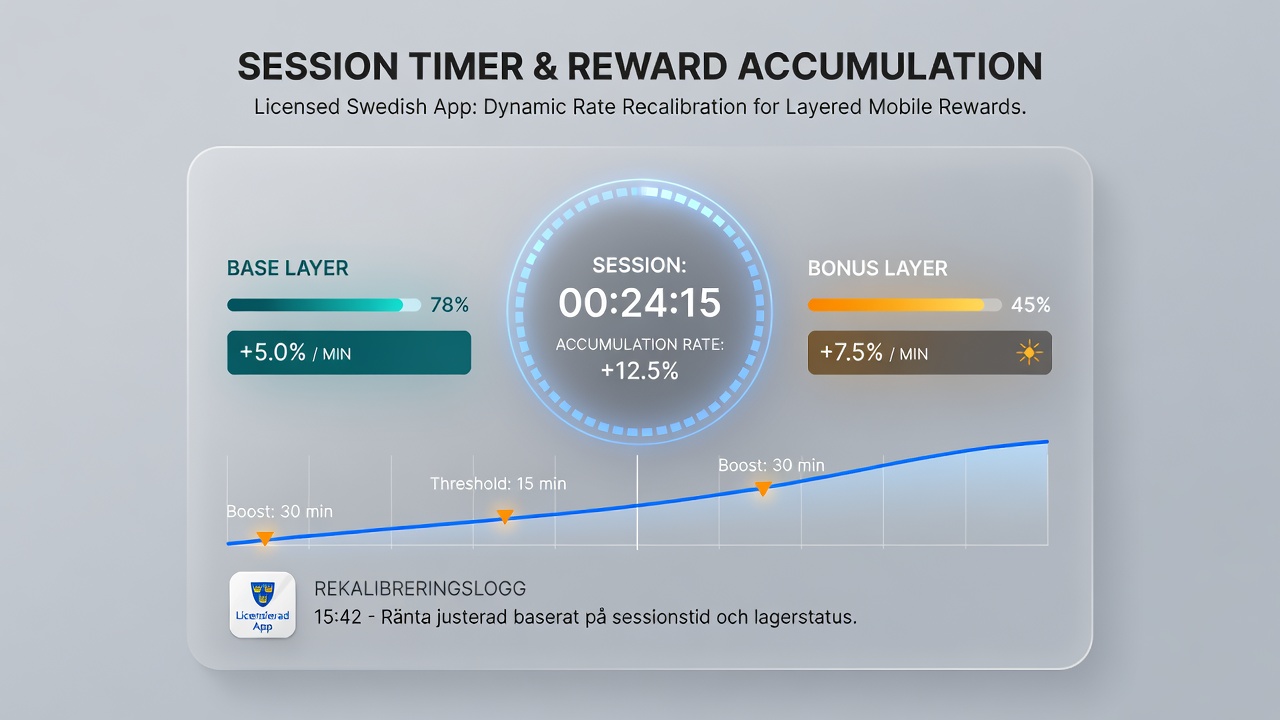
Layered mobile rewards consist of multiple tiers where lower layers unlock through standard accumulation while higher layers require accelerated rates that timers can either support or restrict. When recalibration activates, progression toward upper layers slows because the reduced rate extends the time needed to meet point thresholds. In November 2026, upcoming compliance reviews by Swedish authorities are expected to introduce refined timer algorithms that incorporate additional variables such as device type and network stability, which will further standardize these processes across the market.
Integration with Layered Reward Structures
Layered systems categorize rewards into sequential bands, and session timers feed data directly into the eligibility calculations for each band. A user progressing through the first layer accumulates at full speed until the timer prompts a rate change, at which point movement into subsequent layers demands additional playtime or strategic breaks to reset the timer. Reports from Canadian regulatory bodies highlight parallel systems where such integrations have reduced excessive session lengths by measurable percentages in monitored applications.
Those who analyze app performance data observe that recalibrations maintain equilibrium between player retention and regulatory limits on continuous engagement. External sources like the Spelinspektionen portal detail how these mechanisms support transparent reporting, and separate academic papers from North American universities provide comparative models showing similar timer effects in controlled markets.
Regulatory Updates and Future Adjustments
Current licensing conditions emphasize accurate timer functionality as a compliance requirement, and operators must demonstrate through audits that recalibrations occur without manual intervention. As November 2026 approaches, planned enhancements to these rules may require apps to display real-time timer status to users, which would add another layer of visibility to accumulation adjustments. Evidence from ongoing market analyses suggests that such transparency measures align with global trends in digital gaming oversight.
Conclusion
Session timers serve as foundational elements that recalibrate accumulation rates within Sweden's licensed mobile reward ecosystems, and their operation ensures layered structures function according to established regulatory parameters. Data indicates consistent application across providers, while future developments scheduled around late 2026 promise further refinements to these processes. This framework continues to evolve through documented compliance practices and cross-regional research comparisons.