Sweden's Licensing Framework and Mobile Reward Structures: How Transaction Choices Influence Spin Access and Requirement Calculations
Carlo Günther · Sep 18, 2026
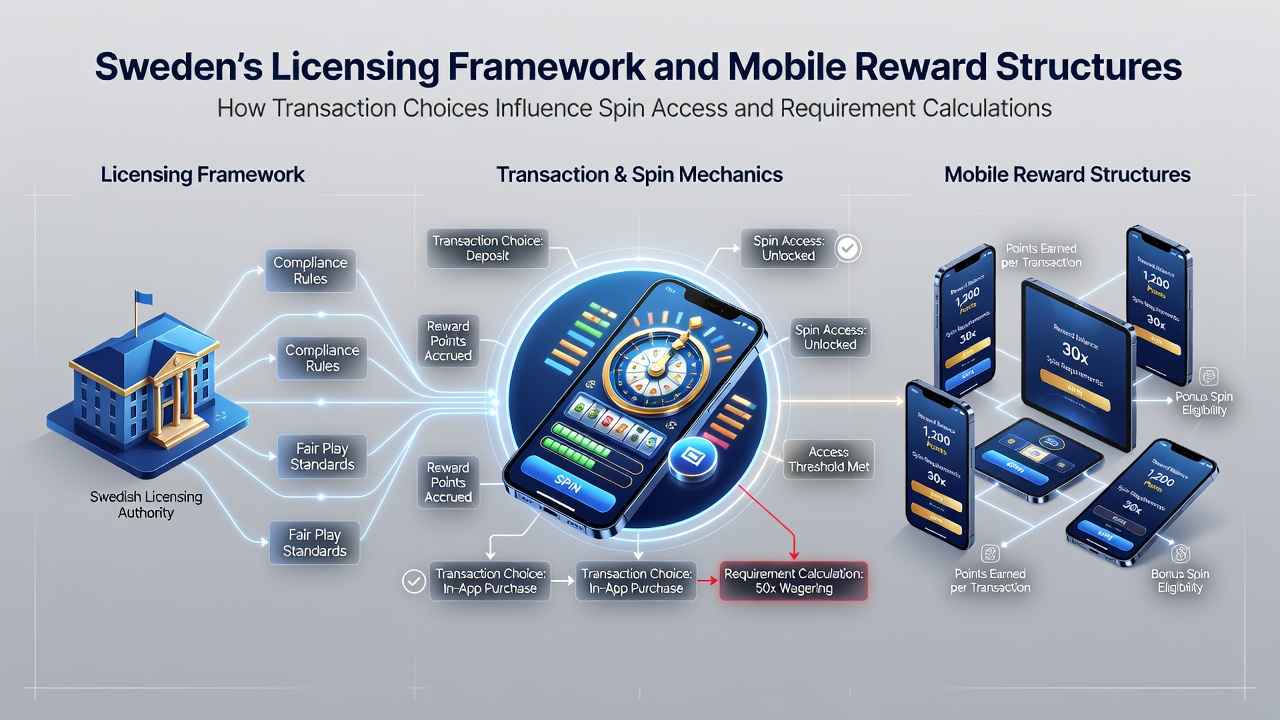
Sweden's Licensing Framework and Mobile Reward Structures: How Transaction Choices Influence Spin Access and Requirement Calculations
Sweden's Regulatory Landscape for Online Gaming
Sweden operates a licensing system managed by Spelinspektionen that governs all online gaming activities including mobile platforms, and this framework sets strict parameters for how operators structure rewards such as free spins while requiring transparent calculations for any associated playthrough obligations. Data from the regulator shows that licensed entities must comply with rules on bonus eligibility which often tie directly to the payment methods users select during deposits and withdrawals.
Observers note that operators active under this system integrate mobile-specific reward structures that adapt based on transaction speed and verification status, since certain payment options like instant bank transfers complete faster than card-based methods and therefore unlock spin access without additional delays. Research indicates that as of September 2026, updates to the licensing conditions emphasize real-time reporting of bonus mechanics so players receive clear information on how each transaction type affects requirement calculations.
Mobile Reward Structures in Licensed Environments
Licensed mobile platforms present reward structures that include free spins bundled with deposit bonuses, yet the availability of these spins depends on whether the chosen transaction method meets the operator's verification thresholds established under Spelinspektionen guidelines. Figures from industry reports reveal that platforms using instant payment rails grant spin access more rapidly because funds clear immediately, whereas slower methods extend the time before eligibility activates.
Those who've examined the system find that reward calculations incorporate factors such as deposit amount, payment provider category, and account verification level, with operators required to display these variables upfront so users understand the conditions before committing funds. What's interesting is how mobile interfaces streamline this process by showing real-time eligibility indicators tied to the selected transaction option.
How Transaction Choices Shape Spin Access
Transaction choices directly influence spin access because certain payment providers are categorized differently under licensing rules, with some enabling immediate bonus activation while others require manual review periods that postpone the release of spins. According to data compiled by European regulatory bodies, platforms must log every transaction type and link it to bonus triggers, creating a traceable record that affects how quickly users gain access to mobile rewards.
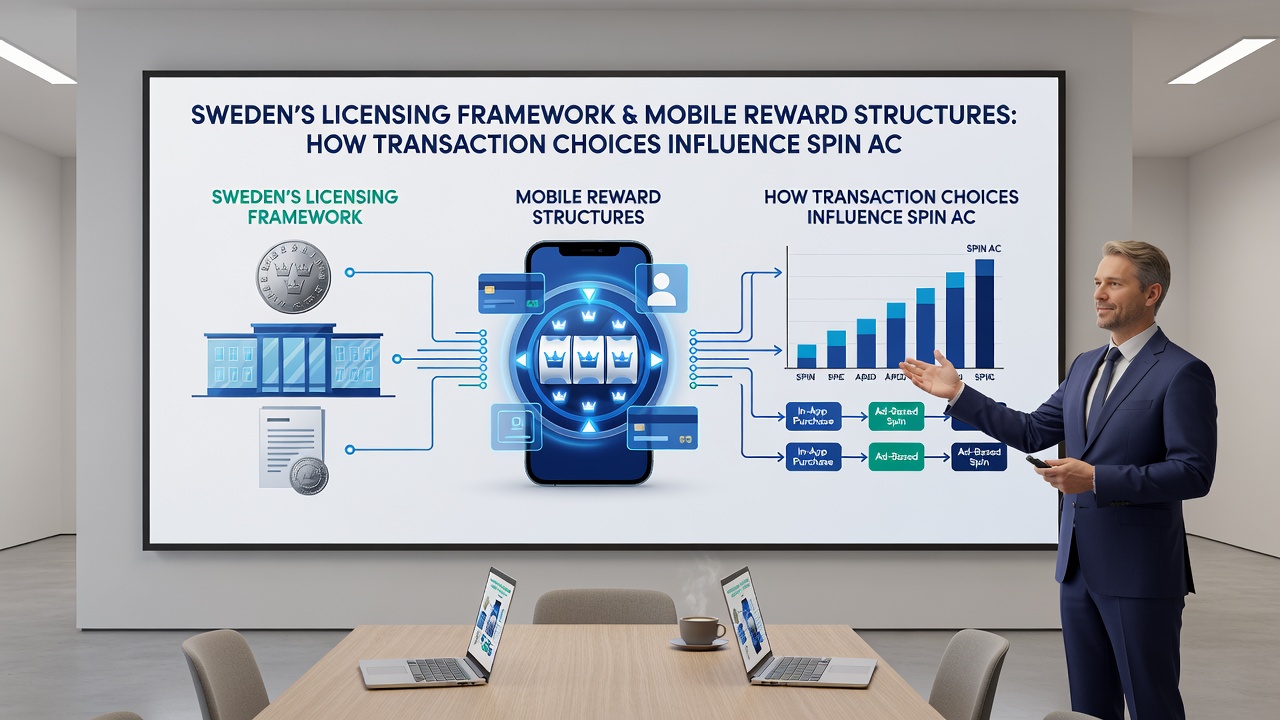
People often find that selecting a method already integrated with the platform's verification system reduces barriers, since pre-approved providers bypass extra checks that could otherwise block spin activation. One case study from a Canadian research institution highlighted similar patterns where transaction speed correlated with faster reward delivery across regulated markets, suggesting parallel dynamics in Sweden's environment.
Requirement Calculations and Payment Method Variables
Requirement calculations for playthrough obligations factor in the transaction method because operators adjust contribution rates or minimum thresholds based on the risk profile associated with each provider, and this practice aligns with Spelinspektionen directives on fair bonus presentation. Evidence suggests that deposits made through certain e-wallet services may carry lower wagering multipliers compared to traditional bank transfers, reflecting differences in processing reliability and fraud prevention measures.
Researchers discovered that mobile applications display these variables through interactive calculators that update dynamically when users switch payment options, allowing precise forecasting of the spins needed to meet targets. The reality is that such transparency stems from licensing conditions introduced to prevent hidden barriers, with operators updating their systems regularly to reflect any changes in provider classifications.
Integration of Licensing Rules with Mobile Features
Licensing rules require that mobile reward structures remain consistent across devices, yet transaction choices still modulate access because verification protocols differ by method and can trigger additional compliance steps before spins become available. Studies found that operators using API connections with approved Swedish banks achieve higher compliance scores since these links facilitate automated checks that speed up requirement fulfillment tracking.
Turns out that September 2026 brought enhanced data-sharing mandates between licensed platforms and payment processors, further tightening the connection between transaction records and bonus calculations so every spin allocation remains auditable. Those who've studied this evolution note how these measures reduce discrepancies that once arose from mismatched verification statuses across different payment rails.
Conclusion
Sweden's licensing framework continues to shape mobile reward structures by linking transaction choices to spin access and requirement calculations, with operators adapting their systems to meet evolving compliance standards. Data shows that payment method selection remains a central variable in determining how quickly users engage with bonuses and fulfill associated obligations, creating a structured environment where transparency and traceability guide all interactions.